
If you've noticed you feel foggy, tired, or just off every time you're home, but you perk back up the moment you leave the house, this could be a symptom of mold illness and makes me wonder about water damage in your home.
Pacific Northwest winters create ideal conditions for hidden mold growth, and mold exposure is one of the most commonly missed causes of chronic fatigue, brain fog, and sinus symptoms I see in patients across Kirkland, Bothell, and the rest of the Eastside. Here's what mold illness actually looks like, and how we go about testing for it.
Why Pacific Northwest Winters Are Prime Conditions for Hidden Mold Exposure
There are really two things working against us: our weather and the way a lot of local homes were built. These factors tend to show up together more than people expect.
How Rain, Humidity, and Older Eastside Homes Create the Perfect Mold Environment
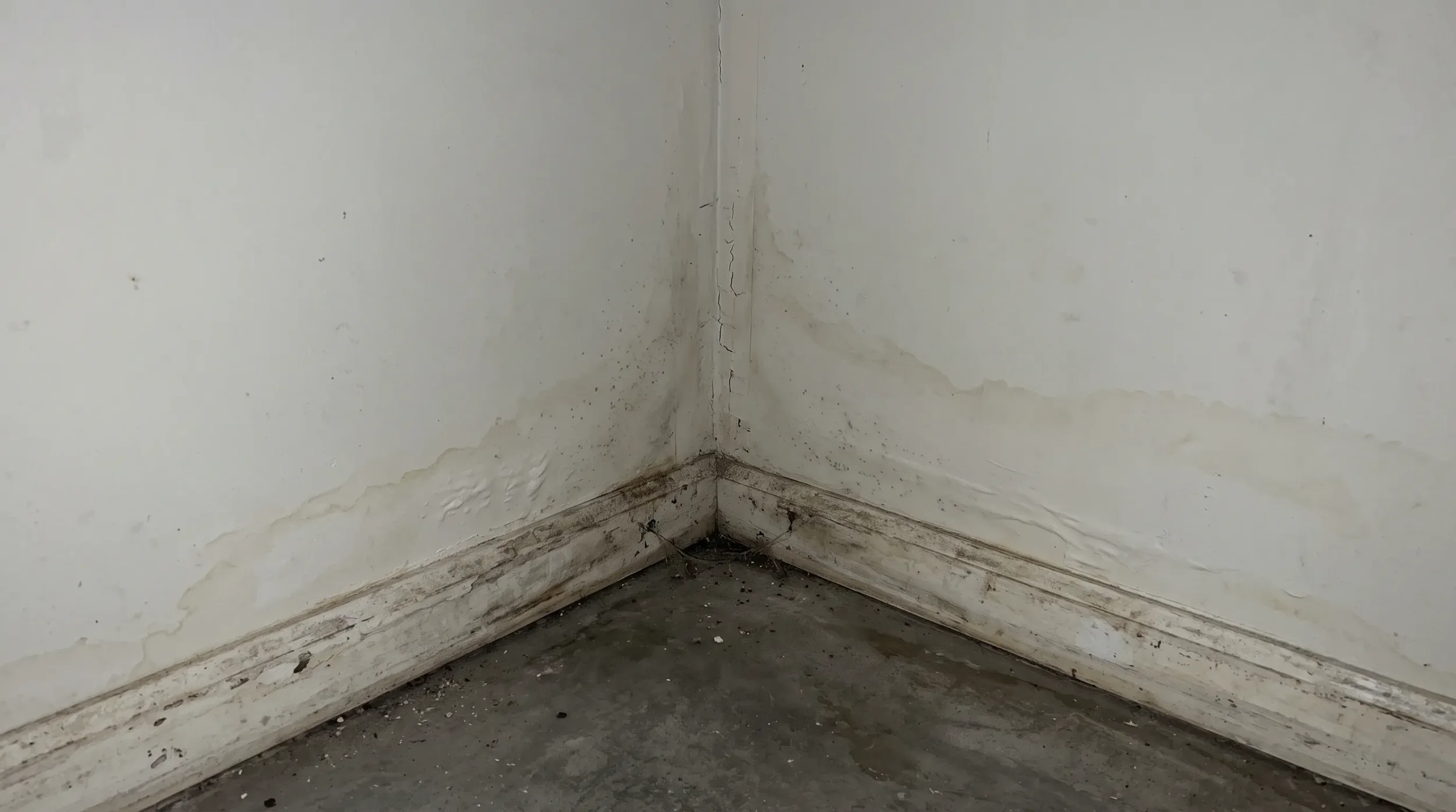
I don't think most people realize how much our weather can work against us when it comes to water damage. Kirkland, Totem Lake, Bothell, Woodinville, and the general area get months of near constant rain and grey skies every winter, and that moisture doesn't just stay outside. It seeps into crawl spaces, collects in basements, and sits in the corners of bathrooms that never fully dry out between showers.
Add in a lot of the housing stock on the Eastside, built decades ago with ventilation standards different from what's required today, and you've got a setup where mold can grow behind walls, under flooring, or in a crawl space for months before anyone notices a smell or a visible spot. Even newer construction isn't immune. Tight building envelopes that are great for energy efficiency will trap moisture inside if ventilation wasn't carefully planned, which means the problem isn't limited to older homes alone.
What makes this especially tricky is that mold doesn't need a flood or an obvious leak to get started. Here are some situations that could cause or indicate water damage: a window that fogs up every morning and never fully dries, a bathroom fan that technically works but doesn't move enough air, a crawl space vent that's been blocked by landscaping for years. Any of these can be enough to spark microbial growth over the course of a wet Pacific Northwest winter.
Why You Can Feel Sick at Home But Fine Everywhere Else
This is a recurrent pattern that I take note of: A patient tells me they feel wiped out by mid afternoon most days, but when they travel for work or stay at a parent's house for a week, they feel noticeably better. And then they come home and the fatigue, the sinus pressure, the brain fog and many other symptoms return within a day or two.
That's not a coincidence, and it's not anxiety, even though it sometimes gets labeled that way by a provider who doesn't have another explanation. It's a potential sign that something in the home environment itself is triggering your immune system, and mold is one of the most common biotoxin culprits.
I've had patients describe this exact pattern for years before anyone connected the dots, sometimes after multiple rounds of allergy medication, sleep studies, or years of therapy that didn't ever address what was happening physically.
What Mold Illness Feels Like, and Why It's Often Misdiagnosed
Once exposure has been going on for a while, the symptoms tend to follow a pattern. Mold illness is easy to miss if you don’t know what you’re looking for. This is where naturopathic medicine's root cause approach actually matters, because the goal isn't naming a symptom, it's figuring out what's actually driving it.
The Fatigue, Brain Fog, and Sinus Symptoms Conventional Doctors Often Miss

Mold illness doesn't usually show up as one dramatic symptom. It shows up as a cluster of things that, individually, could seem minor enough to brush off. Some people experience persistent fatigue that sleep doesn't fix. Or a kind of mental fog where you lose your train of thought mid sentence, or can't find a word you use all the time, or constantly forget why you’ve walked into a room. Sinus congestion that never fully clears is common, even outside of cold and flu season. Headaches are a frequent symptom of biotoxin exposure, seeming to come and go for no clear reason. Sometimes joint aches, skin irritation and rashes, shortness of breath or fatigue with exercise, and all kinds of gut issues will arise, and no practitioner has connected these symptoms to your environment.
Patients often tell me they've already been to their primary care doctor about this, sometimes more than once, and walked away with a shrug, a referral for seasonal allergies, or a suggestion to manage stress better. When a patient is bold enough to ask their doctor about a potential mold issue, they are often met with, “Mold causes allergies and respiratory illness, but it’s not linked to the symptoms you’re having.” While it’s true that mold exposure common causes or worsens lung conditions, mold and other biotoxins can cause a laundry list of other symptoms, and many doctors are unaware of this connection.
Why Standard Allergy Testing Doesn't Catch Mold Toxicity

There is a difference between mold allergy and mold illness. A standard allergy panel tests whether your immune system reacts to mold spores in the air with an allergic response (IgE antibodies), which is a real and useful thing to know. But this is a completely different reaction than mold toxicity from ongoing exposure to mycotoxins in your environment. You can test negative on an allergy panel and still be dealing with a real, physiological response to mold in your home.
This distinction explains why so many people walk away from an allergist's office with a normal result and without a better understanding of what's actually going on. The allergy panel answered a real question, it just wasn't the right question for their illness.
This is why I don't rely on allergy testing alone when a patient's story points toward environmental exposure. We look at the fuller picture, including how your symptoms track with time spent in a specific space, how long you've lived there, and whether anything about the home's history (a past leak, a musty smell that someone dismissed, a renovation that disturbed old materials) lines up with when symptoms started.
From there, we use testing that's built to catch what a standard panel misses, which gives us something concrete to work with instead of guessing. The assessment includes visual contrast sensitivity (VCS) testing, immune genetics and inflammatory markers, hormonal markers, symptom questionnaires, and sometimes even a brain MRI. A 90-minute initial visit gives us the room to walk through that full timeline together, which is something that a rushed ten minute appointment rarely allows for.
What Mold Treatment Actually Involves Once We've Confirmed Exposure
Once testing confirms what's going on, treatment moves in two directions at the same time: supporting your body’s healing process while simultaneously dealing with the environment that caused this in the first place.
Supporting Your Body's Ability to Clear Mycotoxins
Our mold detox therapy approach isn't only about avoiding further exposure (though that is a key part of the plan). It's also about actively supporting your body's detox pathways so it can clear what's accumulated. That usually means a targeted combination of nutritional support, binders, and liver and gut support, built around what your specific labs show rather than a one size fits all protocol. Some patients feel noticeably better within the first few weeks, symptoms beginning to improve one by one. Other patients, especially those with longer term exposure, need a more gradual approach, and I walk you through what to expect based on where your own results land.
Why Addressing the Environment Matters Just as Much as Treating the Body
Here's something I'm upfront about with every patient dealing with mold exposure. We can support your body all we want, but if the moisture source at home never gets addressed, you're going to keep getting re-exposed, and treatment turns into managing symptoms instead of resolving them. Part of our work together usually includes talking through a mold inspection or remediation conversation with a qualified contractor, so you're not just treating the illness while living back in the environment that caused it.
You Don't Have to Keep Guessing About What's Making You Sick
If you've spent the last year feeling like something is off, and nobody has been able to tell you what, mold exposure is worth ruling in or out. It's common in our climate, it's commonly missed, and once we actually identify it, it's genuinely treatable.
I'd rather you come in to find out it's not mold than have you keep guessing on your own for another winter. As a naturopathic doctor in Kirkland, I've built my practice around exactly this kind of root cause work, so book a visit and we can start with a conversation about what you've been noticing, when it started, and what's changed since. You can also browse our blog for more on how we approach cases like this.