
Understanding Inflammation: Root Causes and Holistic Ways to Reduce It
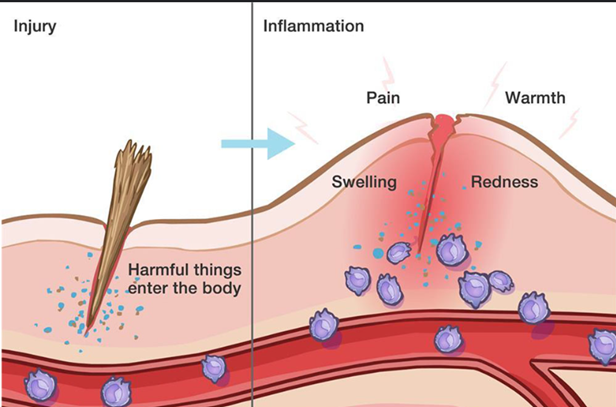
Inflammation shows up in two forms. Acute inflammation helps you heal after an injury or illness and fades once the body repairs the issue. Chronic inflammation behaves very differently. It stays active beneath the surface and quietly disrupts energy, digestion, mood, hormones, and long-term health. Many people live with it for years without realizing it is driving their symptoms.
Chronic inflammation matters because it pushes the body into a constant stress state. That pressure affects the gut, immune system, cardiovascular health, and metabolic balance. You may feel tired, puffy, reactive to certain foods, or mentally foggy without knowing inflammation sits at the center of it.
Chronic inflammation drives 60% of deaths worldwide through heart disease, diabetes, cancer, and other conditions (Source). This silent epidemic affects nearly half of adults, quietly fueling fatigue, joint pain, digestive issues, and brain fog that disrupt daily life.
A naturopathic approach addresses the root causes behind this process instead of chasing symptoms. It identifies what is triggering the inflammation and builds a plan that helps the body calm the response naturally and consistently.
What Exactly Is Inflammation?
Inflammation acts as the body’s defense system. When you face an injury, infection, or irritation, your immune cells respond quickly to repair tissue and protect you. This short-term response is healthy and necessary. It clears damage, restores balance, and then turns off once the job is done.
Chronic inflammation develops when that response stays active long after the original trigger has passed. The immune system keeps reacting, even when there is nothing urgent to fix. Diet, stress, gut imbalances, toxins, and poor sleep often keep this response alive. Over time, the constant activity exhausts the body and disrupts how major systems function.
This long-term inflammation plays a role in many conditions which people struggle with today. Joint pain, persistent digestive issues, skin flare-ups, blood sugar instability, fatigue, and cardiovascular concerns all connect to an overactive inflammatory response. Understanding this link helps you see why symptoms seem unrelated when they are often part of the same underlying process.
Root Causes of Chronic Inflammation
Poor Diet and Food Sensitivities
Diet often sets the stage for chronic inflammation. When people rely on ultra-processed foods, the body reacts to artificial ingredients that disrupt normal immune function. High sugar intake increases insulin activity and triggers inflammatory pathways. Many individuals also react to gluten or dairy, and these reactions strain the gut and immune system. When you identify and remove these triggers, inflammation becomes easier to control.
Gut Dysbiosis
Your gut communicates with your immune system constantly. When the microbiome loses balance, harmful bacteria gain influence and weaken the gut lining. This allows particles to enter the bloodstream that should stay inside the digestive tract. The immune system responds to these particles, which keeps inflammation active.
Chronic Stress and Adrenal Dysfunction
Long-term stress signals the body to stay alert. The adrenal glands release hormones that prepare you for challenges, but these hormones also influence inflammation. When stress does not ease, the adrenal system loses its rhythm and sends mixed signals that irritate inflammatory pathways.
Environmental Toxins
Toxins from everyday products place pressure on the immune system. Common exposures include household cleaners, personal care items, pesticides, and contaminants in water. Heavy metals create similar problems and interfere with cellular repair. When these toxins accumulate, the body increases inflammation to protect itself.
Sleep Deprivation
Sleep gives the immune system time to organize and repair tissues. When sleep is short or inconsistent, the body cannot complete these tasks. Inflammation rises as a result, and symptoms such as fatigue and irritability often follow.
Sedentary Lifestyle
Movement helps the body circulate nutrients and clear waste. When activity levels stay low, the body holds onto inflammatory byproducts that should be removed. Regular movement supports blood sugar stability, muscle function, and overall immune regulation. Even simple daily activity helps reduce inflammation.
Signs and Symptoms of Chronic Inflammation
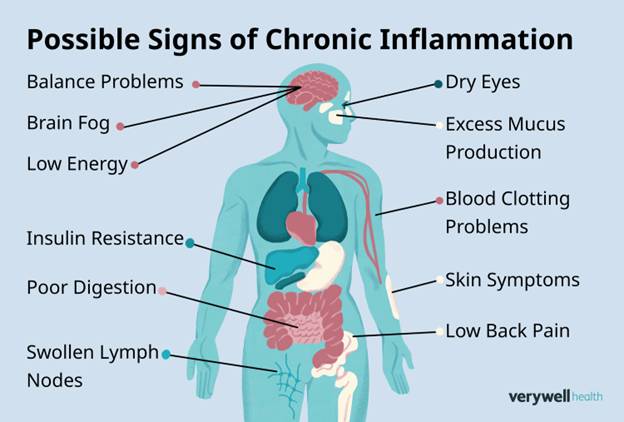
Fatigue often appears first because inflammation interferes with how cells produce energy. People feel tired even after sleeping or resting because their body directs resources toward managing inflammation instead of supporting daily activity.
Joint pain shows up when inflammation affects tissues that support movement. Stiffness in the morning or soreness after mild activity often reflects an ongoing inflammatory response rather than aging alone.
Brain fog develops when inflammation disrupts communication between the gut, immune system, and brain. Focus, memory, and mental clarity decline because the body directs attention toward defense instead of cognitive function.
Weight gain can occur when inflammation alters metabolism. The body holds onto fat more easily, especially around the midsection, because inflammatory signals influence how the body uses and stores energy.
Digestive issues such as bloating, irregularity, or discomfort often point to an inflamed gut environment. This imbalance affects nutrient absorption and immune activity.
Skin problems like acne, rashes, or redness reflect inflammation moving through the body’s detox pathways.
Hormone imbalance follows because inflammation affects thyroid activity, adrenal function, and reproductive hormones.
If you want a quick consultation to see what’s actually driving your inflammation, schedule a free short review and we’ll pinpoint the real triggers with you.
Holistic Ways to Reduce Inflammation
Anti-Inflammatory Nutrition
Nutrition plays a powerful role in lowering inflammation.
Whole foods give the body clean fuel and reduce the immune reactions that processed foods often trigger. High-quality proteins support muscle repair and stabilize blood sugar, which further helps calm inflammatory pathways.
Omega-3 fats found in fish, chia seeds, and flax help the body produce anti-inflammatory compounds that counterbalance daily stress.
Herbs such as ginger, turmeric, and rosemary provide natural compounds that reduce inflammatory signaling. When these foods become part of your routine, the body gains steady support that lowers inflammation from the inside out.
Gut Health Protocol
Improving gut health directly reduces inflammation because the gut influences most of the immune system.
Probiotics introduce helpful bacteria that protect the gut lining and crowd out harmful microbes.
Prebiotics feed these beneficial bacteria and strengthen the microbiome. Removing trigger foods helps the gut heal by reducing irritation and immune activation. Supporting digestion with mindful eating, adequate hydration, and digestive aids helps nutrients break down properly and reduces stress on the gut.
Stress Reduction and Nervous System Regulation
Reducing stress calms inflammation because the nervous system and immune system communicate constantly.
Breathwork helps the body switch out of the stress response and enter a restorative state.
Meditation trains the mind to regulate reactions that would normally activate stress hormones.
Somatic practices release stored tension and support healthier nervous system patterns.
Time in nature gives the body a break from overstimulation and brings down inflammatory markers.
These practices build resilience and help the body avoid chronic stress patterns that fuel inflammation.
Detoxification Support
Supporting detox pathways helps the body clear substances that contribute to inflammation.
Saunas increase circulation and help remove toxins through sweat.
Hydration supports kidneys and lymphatic flow, which are both essential for clearing waste.
Liver-supporting foods such as leafy greens, beets, citrus, and cruciferous vegetables help the body metabolize toxins more efficiently.
Reducing household toxins such as air fresheners decreases the daily load on the immune system.
Restorative Sleep
Sleep gives the body the time it needs to repair tissues and reset immune function. Strong sleep hygiene helps you fall asleep faster and stay asleep more consistently. Resetting your circadian rhythm by getting morning light and limiting evening screen use strengthens your body’s natural sleep-wake cycle.
Movement
Movement helps the body reduce inflammation by improving circulation and balancing blood sugar. Walking supports lymphatic flow and clears waste that contributes to inflammation. Strength training builds muscle, which improves metabolism and stabilizes insulin. Low-impact exercises provide joint-friendly movement that keeps the body active without adding strain.
When to Work With a Naturopathic Doctor
You should consider working with a naturopathic doctor when inflammation symptoms persist despite lifestyle changes. Ongoing fatigue, digestive issues, skin problems, or joint discomfort often signal deeper imbalances that need targeted evaluation.
A naturopathic doctor uses personalized testing to uncover what is driving your inflammation instead of treating the surface-level symptoms.
This approach helps identify hidden root causes such as hormone shifts, gut dysfunction, toxin exposure, or food sensitivities that standard tests often miss. When these factors stay unaddressed, the body cannot regulate inflammation effectively.
A naturopathic doctor builds an individualized plan that matches your biology, environment, and lifestyle rather than offering a one size fits all solution. This personalization helps your body respond better, lowers inflammation more consistently, and supports long-term healing.
How Bukant Naturopathic Helps You Heal
Bukant Naturopathic uses root-cause testing to identify the specific factors driving your inflammation. This clarity allows the team to create personalized anti-inflammatory plans that match your health history, biology, and daily routine. We guide you through nutrition, gut support, stress regulation, and other lifestyle shifts that help your body calm its inflammatory response. You receive ongoing support that helps you make steady progress and understand how to maintain long-term balance.
Conclusion
Chronic inflammation can improve when you understand what fuels it and take steps that support your body’s healing process. Small, consistent changes create real progress because they help the immune system regain balance over time. You do not have to manage these symptoms alone. If you want clearer answers and a plan that fits your life, consider taking the next step and exploring support that targets the true source of your inflammation.
Contact us now for free consultation!
Frequently Asked Questions
What is the fastest way to lower inflammation naturally?
You lower inflammation fastest by improving hydration, removing obvious trigger foods, and supporting your gut. Prioritizing whole foods, adding omega-3 fats, and using gentle movement each day also calm the immune response quickly. These steps give the body immediate relief.
Can chronic inflammation be fully reversed?
Many people see significant improvement when they identify and address the root causes. Healing depends on your gut health, stress load, sleep quality, and environmental exposures. With the right plan, the body can definitely shift out of chronic inflammation and regain natural balance.
What foods cause the most inflammation?
Ultra-processed foods, high-sugar items, and refined seed oils tend to create the strongest inflammatory reactions. Some people also react to gluten and dairy. Removing these foods will help your body settle and give the gut space to repair.
How do I know if my gut is inflamed?
Common signs include bloating, irregular bowel movements, food reactions, and fatigue after meals. Skin issues and brain fog can also indicate gut inflammation because the gut influences many other systems.
Which supplements help reduce inflammation naturally?
Omega-3s, curcumin, magnesium, and certain probiotics support the body’s anti-inflammatory pathways. The right combination depends on your symptoms and overall health. A practitioner can help choose supplements that match your needs.
Should I get tested for food sensitivities?
Testing can help when symptoms persist and you cannot identify trigger foods on your own. It reveals patterns that contribute to gut irritation and immune activation. Knowing your sensitivities helps you build a plan that reduces inflammation more efficiently and effectively.